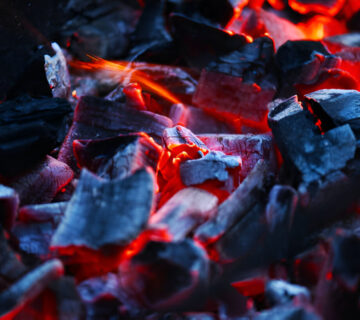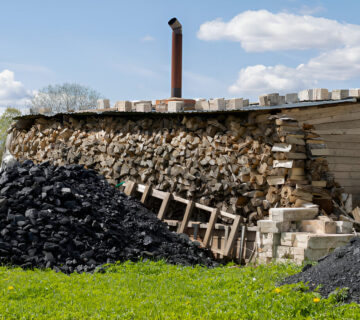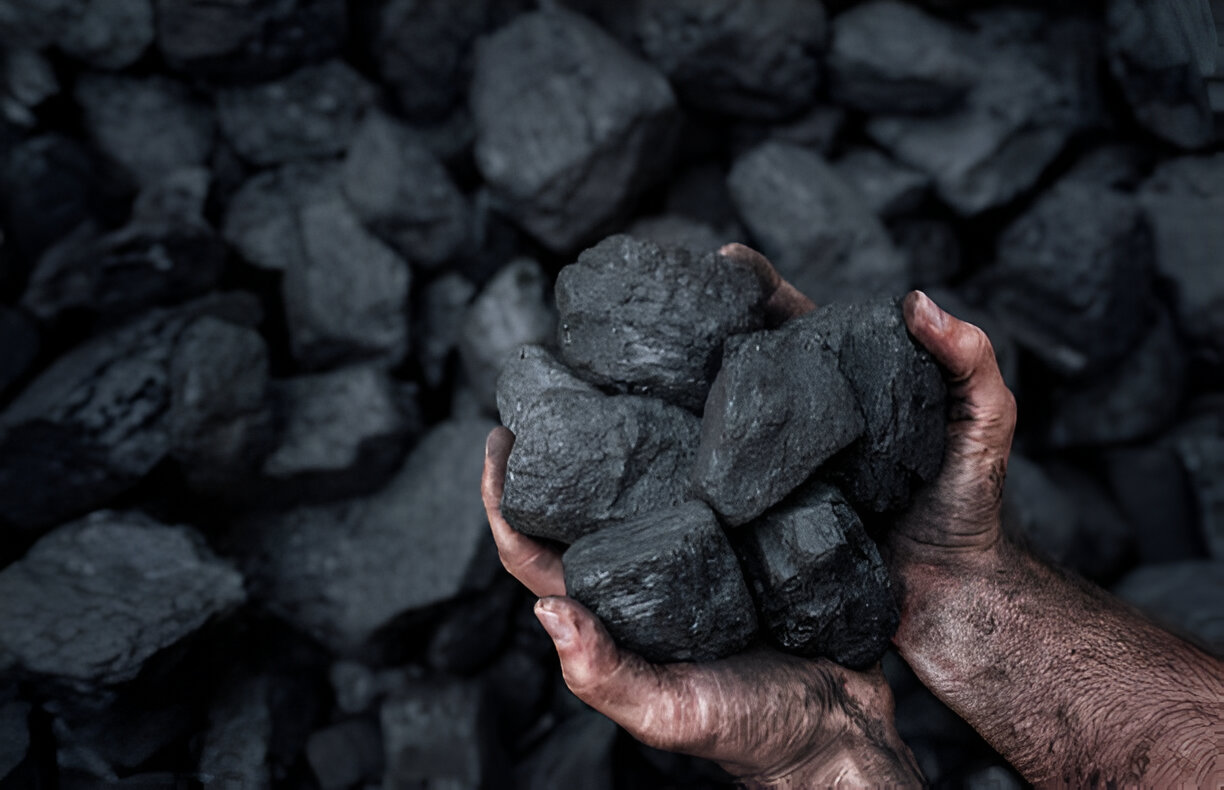
Charcoal and firewood have long been key fuels in many industries, particularly those that require high heat for manufacturing processes. Their ability to generate substantial heat makes them ideal for metal smelting, brick kilns, and ceramics. Charcoal, especially, is prized for its higher carbon content, which allows it to burn hotter and more efficiently than regular wood.
In industries like metal forging, smelting, and refining, charcoal has historically been the primary fuel due to its consistent heat output and lower impurity levels compared to coal or other natural fuels. Even in the age of advanced fossil fuels and electricity, charcoal is still preferred in regions where cost-effective alternatives are limited, or where tradition and specific material properties require its use.
Firewood, while less efficient in terms of heat output compared to charcoal, remains an important energy source for industries that need moderate, consistent heating, such as in food processing, ceramics, and brewing. Many small-scale operations and traditional industries still rely on firewood because of its availability and lower cost, making it a crucial fuel for sustaining their operations.